
© Sellectonics
In today’s competitive manufacturing landscape, success depends on innovative products that are also practical, cost-effective and efficient to produce at scale. Whether developing mechanical components, consumer electronics or complex assemblies, businesses are increasingly focused on improving production efficiency without compromising quality.
The concept of design for manufacturability is central to modern engineering, helping to bridge the gap between design intent and manufacturing reality, while ensuring products are optimised for production from the outset.
While DFM is often associated with reducing manufacturing costs and avoiding redesigns, its value extends far beyond financial savings. Rather than drawing up a design and addressing production challenges later, the methodology incorporates manufacturing considerations from the earliest stages so that businesses can improve product quality and streamline the journey from concept to production.
Particularly valuable with a contract electronics manufacturer, where even small design decisions can have significant consequences, a design may perform perfectly in theory but can become expensive or time-consuming to manufacture in practice.
Reduce production costs
Expenditure is heavily influenced by decisions made during the design phase. Complex geometries, custom components, unnecessary features and difficult assembly processes all increase production expenses.
DFM encourages designers to simplify products where possible, use standardised components and select manufacturing methods that support efficient production. This can significantly reduce labour costs, tooling requirements, materials waste and assembly time. Consequently, the overall cost per unit can be reduced without affecting product performance.
Improve product quality
By aligning designs with actual capabilities, DFM helps ensure products can be produced repeatedly to the highest specification, which leads to greater consistency and fewer defects. Often easier to inspect, test and validate throughout the entire production process, it also enhances product reliability by minimising potential failure points. Designs that are more straightforward to manufacture are easier to assemble correctly, often resulting in products that perform more consistently throughout their lifecycle.
Accelerate time to market
Design changes can cause delays in bringing the product to market. A modification made during concept development can take hours, while the same change after tooling or production begins could require weeks and significant investment. By reducing design iterations, streamlining production processes and eliminating avoidable manufacturing problems, businesses can produce their wares faster, gaining a valuable competitive advantage.
Potential challenges relating to materials, tolerances and assembly methods can be addressed proactively, reducing the need for delays. Fewer design alterations mean shorter lead times and a faster route to your products being on sale.
Risk reduction
By identifying manufacturing constraints during the design phase, this reduces the likelihood of production issues and delays. This proactive approach helps teams avoid disruptions and maintain project momentum.
Stop bottlenecks by designing parts to fit the exact capabilities of available manufacturing processes, such as CNC machining and plastic injection moulding. Improve error-proofing by implementing features like self-locating pins or asymmetric snap-fits to make it impossible to assemble components incorrectly. Minimise tooling wear by eliminating sharp internal corners or overly complex geometries to reduce stress on machines, minimising unexpected breakdowns or excessive scrap rates.
Improve scalability
Another key benefit is scalability; products designed with manufacturing in mind can transition more smoothly from prototype to full-scale production. Addressing production challenges early proactively helps ensure consistent quality and efficient assembly, whether producing hundreds or millions of units.
Understanding the design manufacturing process
DFM requires close collaboration between design and manufacturing teams from the beginning of each project. Historically, designers would complete a blueprint before handing it over to production teams, who would then identify manufacturing challenges. However, this approach can result in necessary redesigns.
Modern DFM methodologies encourage concurrent development where designers, engineers and suppliers collaborate throughout the project lifecycle. This early-stage cooperation allows manufacturing constraints, material considerations and production requirements to influence design decisions.
Key DFM principles
Several core principles guide design decisions and improve manufacturability. Complexity is often the enemy of efficient manufacturing. Reducing unnecessary features, minimising part counts and simplifying product architecture can dramatically improve production efficiency.
Simpler products generally require fewer manufacturing steps and less assembly time. Even small design simplifications can deliver significant savings when multiplied across large production volumes.
Standardisation of components
Custom components typically require specialised tooling, additional sourcing efforts and increased inventory management.
Standard components are generally more readily available, cost-effective and easier to replace. Standardisation also helps simplify procurement and reduces supply chain issues.
Material selection considerations
Designers must balance performance requirements with manufacturing practicalities. Factors such as machinability, thermal performance, durability, availability and cost should all be considered.
Choosing materials that align with the intended manufacturing process can reduce production complexity and improve overall efficiency.
Tolerances and manufacturability constraints
While tight tolerances may be necessary for critical features, unnecessarily restrictive specifications can increase machining time and inspection requirements.
DFM encourages designers to apply the most practical tolerances that will still meet functional requirements. This helps maintain product performance while avoiding unnecessary hurdles.
Minimising assembly complexity
Assembly can be one of the most labour-intensive stages of production. It follows that products requiring fewer assembly steps are generally less expensive to manufacture. Reducing part counts, simplifying fastening methods and designing components for easier handling can dramatically improve assembly times and minimise the chances of errors.
Industry specific DFM
While the principles apply across all manufacturing sectors, DFM in electronics presents unique challenges and opportunities. Modern tech products are becoming increasingly compact, complex and feature-rich. As a result, manufacturing considerations must be carefully integrated into the design process to ensure successful production.
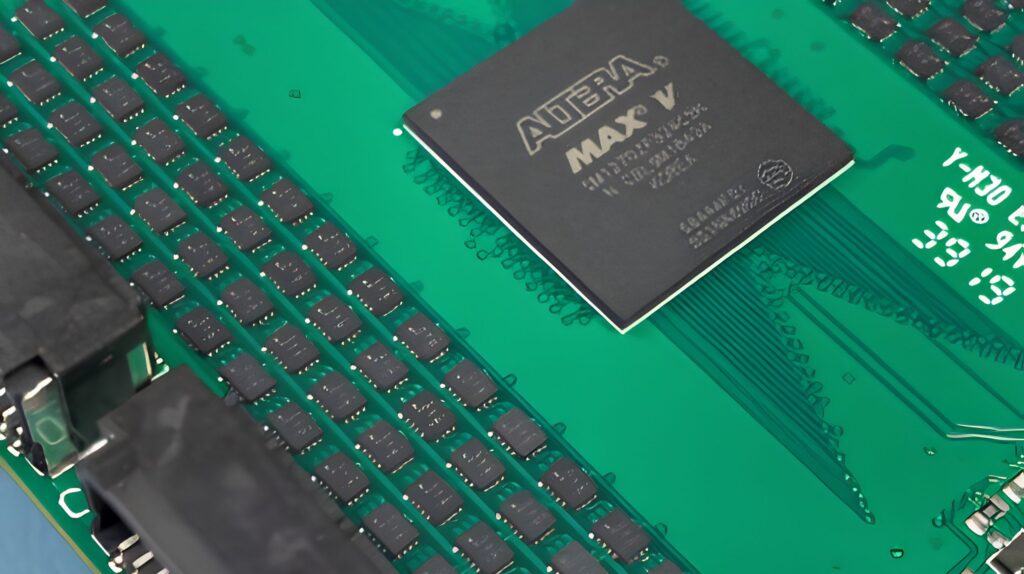
Printed circuit board design plays a critical role, as PCB layouts must account for manufacturing capabilities, assembly processes and testing requirements. Trace widths, spacing, drill sizes and layer configurations all influence production complexity. Designs that exceed manufacturing capabilities will create production challenges.
Adequate spacing between components allows for effective soldering, inspection and testing. Poor placement can create assembly issues, increase the possibility of defects and complicate maintenance procedures. Thoughtful component positioning supports automated manufacturing processes, improving consistency and reducing production time.
Avoiding common manufacturing issues
One of the key objectives of DFM in electronics is preventing issues before production begins. Potential problems such as insufficient solder mask clearances, thermal management concerns, inaccessible test points and component crowding can usually be identified during design reviews.
Late-stage design changes remain one of the most expensive consequences of poor planning. Addressing obstacles early helps avoid production interruptions and improves product quality in tech manufacturing.
Benefits of applying DFM early
Perhaps most importantly, the resulting products can achieve higher levels of reliability and consistency, leading to greater customer satisfaction and product success.
In sectors where precision and consistency are critical, particularly electronics design for manufacture, this approach delivers substantial commercial and operational advantages. It remains a vital strategy for reducing risks, improving production outcomes and ensuring products are fully optimised for success.